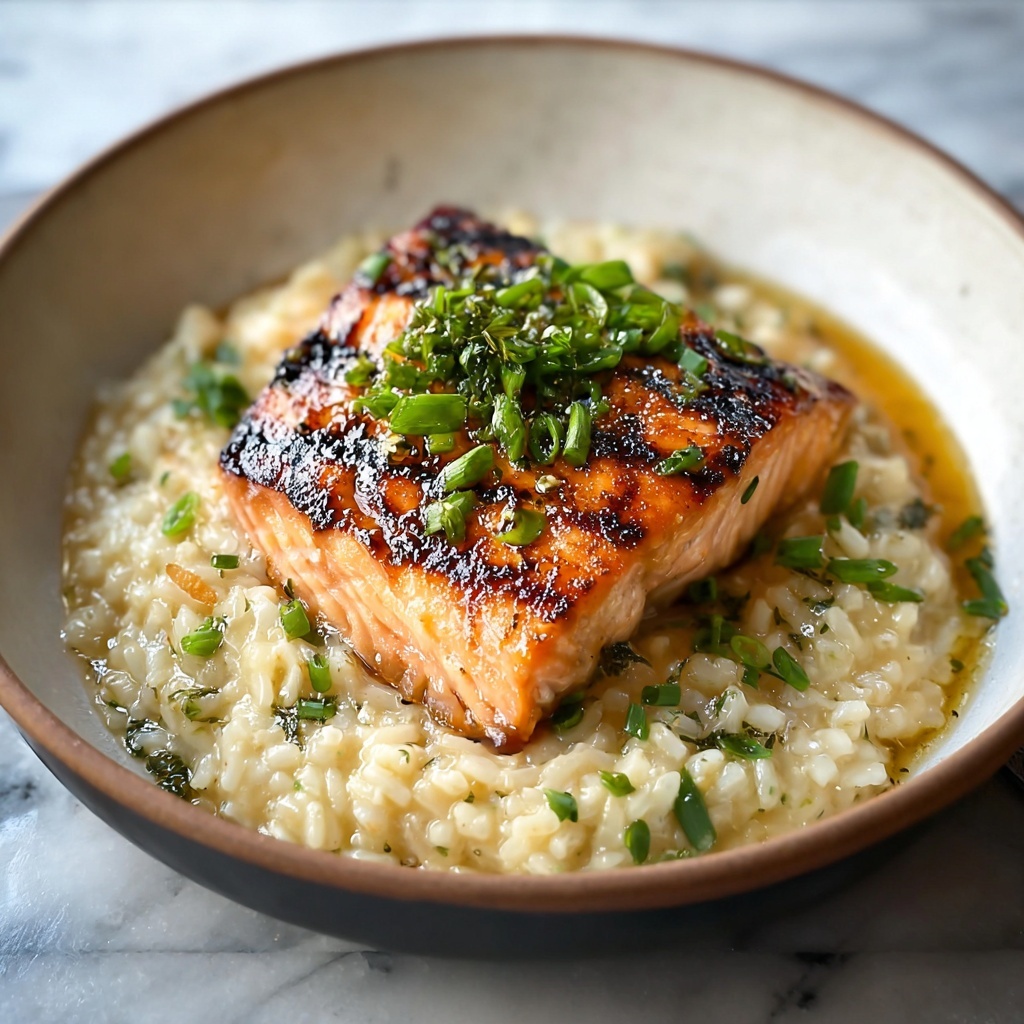
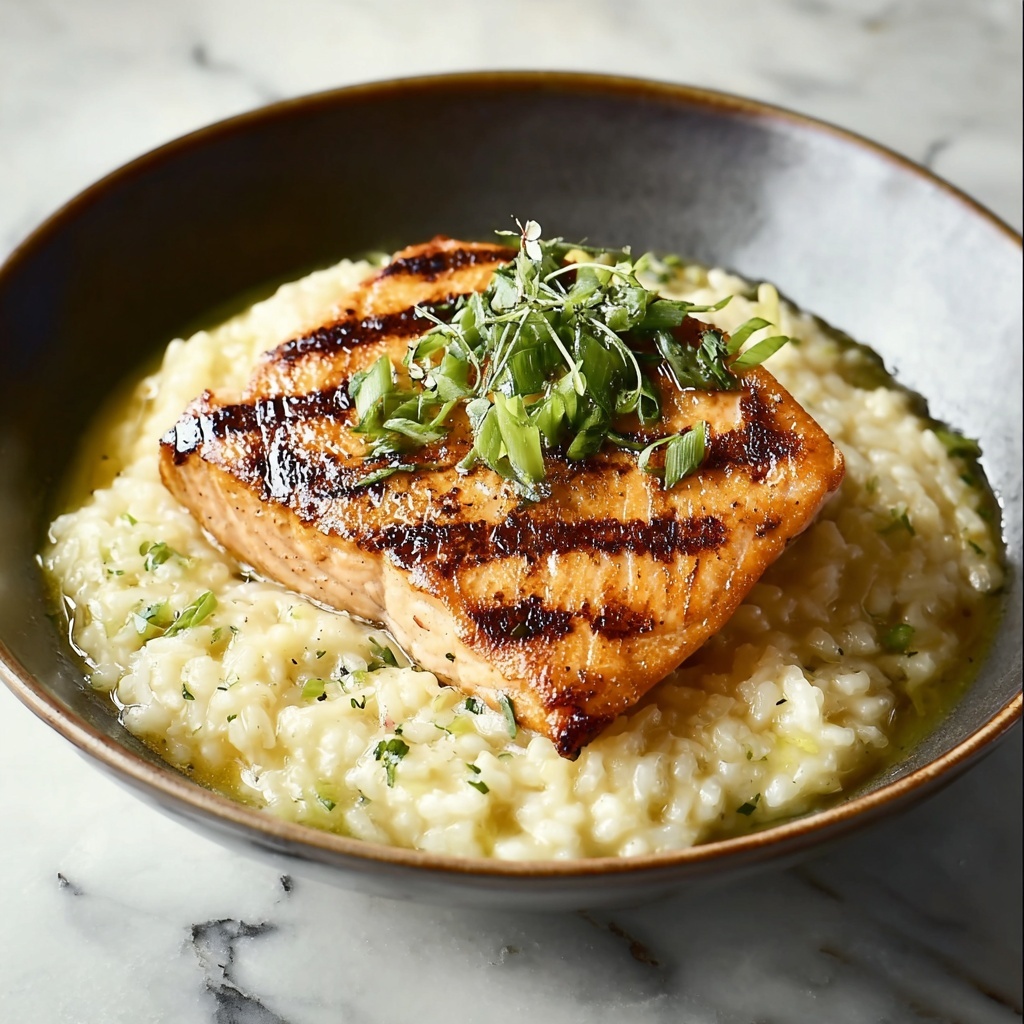
If you’ve ever wondered how to bring a delightful twist to a classic Italian comfort food, the Japanese-Style Risotto with Seared Salmon and Shiitake Mushrooms Recipe is your answer. This dish perfectly marries the creamy, luscious texture of risotto with the umami punch of shiitake mushrooms and the rich, delicate flavor of perfectly seared salmon, infused with subtle Japanese seasonings. It’s a meal that feels both luxurious and comforting, and it’s surprisingly easy to prepare, making it an absolute favorite for weeknight dinners or impressive weekend feasts alike.
Ingredients You’ll Need
Getting the ingredients right is key to capturing that unique blend of Japanese flavors and creamy risotto texture. Each component plays an essential role, from the shiitake mushrooms adding earthiness to the salmon delivering a tender, flaky finish.
- Olive Oil or Sesame Oil: Use olive oil for a mild base or sesame oil for a nutty, authentic Japanese flavor.
- Shiitake Mushrooms: These add deep umami notes and a meaty texture that complements the salmon beautifully.
- Low Sodium Soy Sauce: A touch of soy sauce brings balanced saltiness without overpowering the dish.
- Yellow Onion: Finely diced for a subtle sweetness and savory foundation.
- Celery: Adds crunch and freshness, balancing the richness of the dish.
- Garlic: Minced garlic boosts aromatic warmth.
- Sushi or Arborio Rice: The heart of the risotto, known for its creamy texture when cooked slowly.
- Dry White Wine or Sake: Adds acidity and depth during the toasting and deglazing phase.
- Hot Chicken or Vegetable Broth: Slowly absorbed by the rice to build creaminess.
- White Miso Paste: Dissolved in broth, it infuses a savory, fermented flavor unique to Japanese cuisine.
- Black Pepper: Freshly ground for a little heat and seasoning.
- Salmon Fillets: Skinless for easy prep, providing tender, flaky protein.
- Unsalted Butter: Adds richness and helps achieve a silky risotto texture.
- Chives: Snipped fresh for a bright, oniony garnish.
- Sesame Seeds: Sprinkled on top for a toasty crunch and visual appeal.
How to Make Japanese-Style Risotto with Seared Salmon and Shiitake Mushrooms Recipe
Step 1: Marinate the Salmon
Start by mixing low sodium soy sauce, dry white wine, and a touch of brown sugar in a shallow dish. Coat the salmon fillets in this marinade and let them rest for at least 15 minutes. This quick soak infuses the salmon with a beautiful balance of saltiness and sweetness that will shine through after searing.
Step 2: Prep Your Vegetables and Mushrooms
While the salmon marinates, tear your shiitake mushrooms into large, rustic pieces to maintain their texture after cooking. Finely dice the celery, onion, and garlic—this even chopping ensures everything cooks uniformly and melds perfectly in the risotto.
Step 3: Cook the Mushrooms
Heat a tablespoon of olive or sesame oil in a large pot over medium heat. Add the torn shiitake mushrooms and cook them for about 3 to 4 minutes until they release their moisture. Toss in a splash of low sodium soy sauce to amplify their umami flavor, stirring so each piece soaks up that delicious seasoning.
Step 4: Sauté the Aromatics
Adding another tablespoon of oil to the same pot, toss in your diced celery, onion, and garlic. Sauté these until they become soft and fragrant, usually around 3 to 5 minutes. This builds the flavor base that will carry throughout your risotto.
Step 5: Toast and Deglaze the Rice
Stir in the sushi or Arborio rice, toasting it for about a minute while stirring constantly. This step brings out a nutty depth. Then, pour in the dry white wine or sake to deglaze the pan. Keep stirring for 2 minutes until most of the liquid evaporates, which adds brightness and acidity to balance the creaminess.
Step 6: Gradually Add Broth
Begin ladling in the hot chicken or vegetable broth, about half a cup at a time. Stir frequently, allowing the rice to absorb the liquid slowly. Continue this process for approximately 15 minutes until the rice reaches a creamy, almost al dente texture that’s neither too firm nor mushy.
Step 7: Finish the Risotto
Mix the cooked shiitake mushrooms back into the pot and stir in the dissolved white miso paste. Let the risotto simmer gently for another 5 to 10 minutes, stirring occasionally. This transforms the dish into a velvety, deeply flavorful masterpiece with the unmistakable savory punch of miso.
Step 8: Sear the Salmon
In a nonstick skillet, heat a combination of oil and unsalted butter over medium-high heat. Add your marinated salmon fillets and sear them for about 4 minutes on each side until they develop a perfectly caramelized crust on the outside but remain tender inside.
Step 9: Plate and Garnish
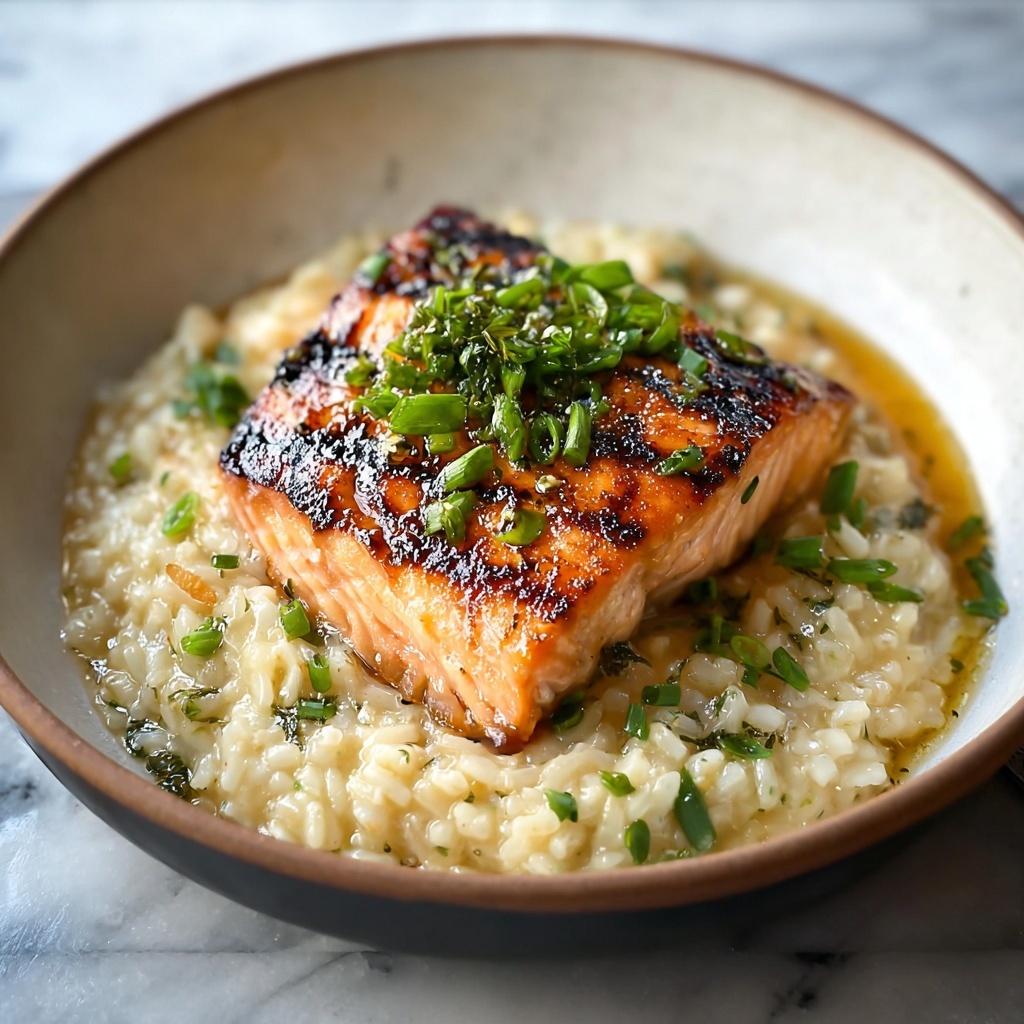
Dish out a generous portion of your creamy risotto onto plates, placing the seared salmon fillet right on top. Finish with a sprinkle of freshly cracked black pepper, snipped chives for freshness, and toasted sesame seeds for added crunch and beauty.
How to Serve Japanese-Style Risotto with Seared Salmon and Shiitake Mushrooms Recipe
Garnishes
Simple garnishes can elevate your dish to restaurant-quality. Freshly snipped chives add a vibrant pop of color and mild onion flavor that cuts through the richness. Toasted sesame seeds provide pleasing texture and a nutty aroma that complements the Japanese twist perfectly. Don’t forget a generous crack of black pepper to brighten each bite.
Side Dishes
This risotto shines on its own but pairs well with light, fresh sides. Think a crisp cucumber salad dressed with rice vinegar and sesame oil or steamed baby bok choy tossed with garlic and a splash of soy sauce. These additions bring refreshing contrasts that keep your meal balanced and exciting.
Creative Ways to Present
If you’re serving guests or want to impress, consider plating the risotto in shallow bowls for an elegant look. Drizzle a little sesame oil around the edge or add a small mound of pickled ginger on the side for a burst of color and tang. For a casual dinner, serve it family-style in a large dish topped with all the salmon fillets and garnishes spread across for everyone to dig in.
Make Ahead and Storage
Storing Leftovers
You can store any leftovers in an airtight container in the refrigerator for up to 2 days. Because risotto thickens as it cools, it’s best to add a splash of broth or water when reheating to restore that creamy consistency.
Freezing
Freezing risotto is not ideal because the texture tends to change after thawing, becoming grainy. For the best flavor and texture, enjoy this Japanese-Style Risotto with Seared Salmon and Shiitake Mushrooms Recipe fresh.
Reheating
Reheat risotto gently on the stovetop over low heat, stirring constantly and adding small amounts of broth or water until it becomes creamy again. If reheating the salmon, warm it briefly in a low oven or microwave to avoid drying it out.
FAQs
Can I use other types of mushrooms instead of shiitake?
Absolutely! While shiitake mushrooms give the dish that distinctive umami flavor, crimini or cremini mushrooms make excellent substitutes and still pair wonderfully with the salmon and miso elements.
Is there a vegetarian version of this recipe?
Yes! Swap out the chicken broth for vegetable broth and omit the salmon. You can also add tofu or roasted vegetables for protein, making it a filling vegetarian delight without losing the comforting essence of the risotto.
Can I use regular white rice instead of sushi or Arborio rice?
It’s best to use sushi or Arborio rice because their starch content creates the creamy texture risotto is famous for. Regular rice varieties tend to be less creamy and can result in a less satisfying dish.
How do I get the salmon perfectly cooked every time?
Pat the salmon dry before marinating, and don’t overcrowd the pan when searing. Use medium-high heat and avoid moving the fillets until they release easily from the pan—usually about 4 minutes per side ensures a nice crust and tender inside.
Can I prepare any steps in advance?
You can marinate the salmon up to a few hours ahead and prep the vegetables early. However, it’s best to cook the risotto and sear the salmon fresh to enjoy the perfect texture and flavors.
Final Thoughts
This Japanese-Style Risotto with Seared Salmon and Shiitake Mushrooms Recipe is truly a gem for anyone who loves the creamy comfort of risotto but wants to surprise their taste buds with exciting Japanese flavors. It’s approachable, packed with umami, and perfect for those evenings when you want a bit of cozy elegance on your plate. Give it a try—you might just find a new favorite go-to that pleases your guests and nourishes your soul.
Print
Japanese-Style Risotto with Seared Salmon and Shiitake Mushrooms Recipe
- Prep Time: 15 minutes
- Cook Time: 25 minutes
- Total Time: 40 minutes
- Yield: 4 servings
- Category: Main Course
- Method: Stovetop
- Cuisine: Japanese Fusion
Description
Enjoy a sophisticated Japanese-style risotto paired with perfectly seared salmon fillets. This recipe combines the creamy texture of traditional risotto enhanced with umami-rich white miso and shiitake mushrooms, complemented by tender and flavorful salmon marinated in a delicate soy and white wine mixture. A perfect 40-minute meal for a comforting yet elegant dinner.
Ingredients
Marinade and Salmon
- 4 fillets Salmon Fillets (skinless)
- 1 tablespoon Low Sodium Soy Sauce (or gluten-free tamari)
- 1/2 cup Dry White Wine (or sake)
- 1 teaspoon Brown Sugar
- 2 tablespoons Olive Oil (or sesame oil for distinct flavor)
- 2 tablespoons Unsalted Butter (or additional olive oil)
- 1 tablespoon Sesame Seeds (sprinkle generously)
- 2 tablespoons Chives (snipped)
- Freshly ground Black Pepper (to taste)
Risotto
- 200 grams Shiitake Mushrooms (or crimini mushrooms)
- 1 medium Yellow Onion (finely diced)
- 1 stalk Celery (finely diced)
- 2 cloves Garlic (minced)
- 1 cup Rice (Sushi or Arborio)
- 1/2 cup Dry White Wine (or sake)
- 4 cups Hot Chicken Broth (or vegetable broth for vegetarian option)
- 2 tablespoons White Miso Paste (dissolved in hot broth)
- 2 tablespoons Olive Oil (or sesame oil for distinct flavor)
- Freshly ground Black Pepper (to taste)
Instructions
- Marinate the Salmon: In a shallow dish, combine low sodium soy sauce, dry white wine, and brown sugar. Coat the skinless salmon fillets evenly in this marinade and let them sit for at least 15 minutes to absorb the flavors.
- Prep Vegetables: While the salmon marinates, tear the shiitake mushrooms into large pieces to release texture and flavor. Finely dice the celery, yellow onion, and mince the garlic for uniform cooking.
- Sauté Mushrooms: Heat 1 tablespoon of olive oil in a large pot over medium heat. Add the torn shiitake mushrooms and cook until they release their moisture and soften, about 3-4 minutes. Stir in a splash of low sodium soy sauce for added umami.
- Sauté Aromatics: In the same pot, add another tablespoon of olive oil then toss in the diced celery, onion, and minced garlic. Sauté these ingredients until fragrant and tender, approximately 3-5 minutes.
- Toast the Rice: Add the sushi or Arborio rice to the pot and toast it for one minute while stirring constantly to prevent sticking and to enhance its nutty flavor.
- Deglaze with Wine: Pour in the dry white wine, stirring frequently. Cook for about 2 minutes until the wine is mostly absorbed by the rice.
- Cook the Risotto: Gradually add hot chicken broth, about half a cup at a time, stirring often. Allow the rice to absorb the liquid before adding more. Continue this process until the rice is nearly al dente, approximately 15 minutes.
- Finish the Risotto: Stir in the sautéed shiitake mushrooms and dissolved white miso paste into the pot. Simmer gently for an additional 5-10 minutes until the rice is creamy and fully cooked. Adjust seasoning with freshly ground black pepper to taste.
- Sear the Salmon: Heat a nonstick skillet over medium-high heat with a mixture of olive oil and unsalted butter. Once hot, add the marinated salmon fillets and sear for about 4 minutes on each side until cooked through and nicely browned.
- Plate and Garnish: Serve a generous scoop of the creamy miso risotto on each plate, top with a seared salmon fillet, and garnish with freshly cracked black pepper, snipped chives, and a sprinkle of sesame seeds. Serve immediately and enjoy your elegant dinner.
Notes
- For a vegetarian or vegan option, substitute chicken broth with vegetable broth and swap salmon for tofu or tempeh.
- Use gluten-free tamari instead of soy sauce to keep the recipe gluten-free.
- Adjust the amount of white wine or sake depending on your taste preference or dietary restrictions.
- Keep stirring the risotto frequently to ensure a creamy texture without burning.
- Miso paste adds a unique umami depth but can be omitted or replaced with miso powder if unavailable.
- Make sure to sear the salmon skinless for an even cook and easier plating.